
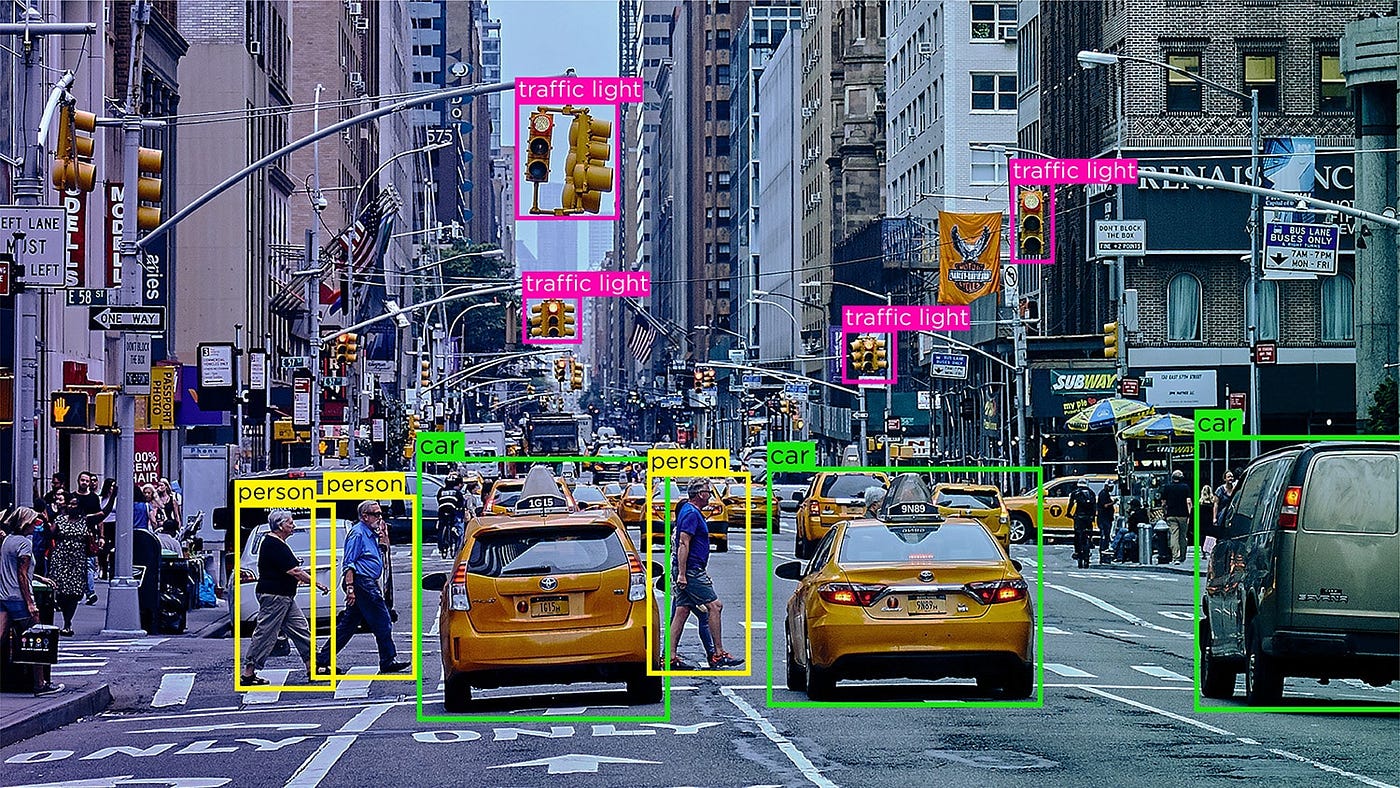
Generative models learn from relationships between images, not from isolated labels. This project needed paired examples that were dense enough to train on and strict enough to pass a 98% acceptance bar.
The problem
Paired-image work fails in two directions. Pairs that are too loose teach the model the wrong relationship. Pairs that are over-labeled in one image and under-labeled in the other create imbalance. A high acceptance bar is useless unless reviewers share the same definition of a valid pair.
The approach
- Write pair criteria before production: alignment, coverage, forbidden artifacts, and required attributes.
- Annotate both images against the same schema so density is comparable.
- Use independent review on a sample of pairs, then resolve disagreement with a documented rule.
- Reject or return work that misses the 98% acceptance standard instead of averaging it into the set.
What changed
The delivered dataset kept pair structure intact: corresponding regions, consistent classes, and a quality record for each batch. Training could start from examples that had already been checked for relationship quality, not only for object presence.
Why it matters
A high acceptance number is a process, not a slogan. It depends on clear criteria, expert review, and the willingness to send work back. That is how paired data stays useful for generative AI.