
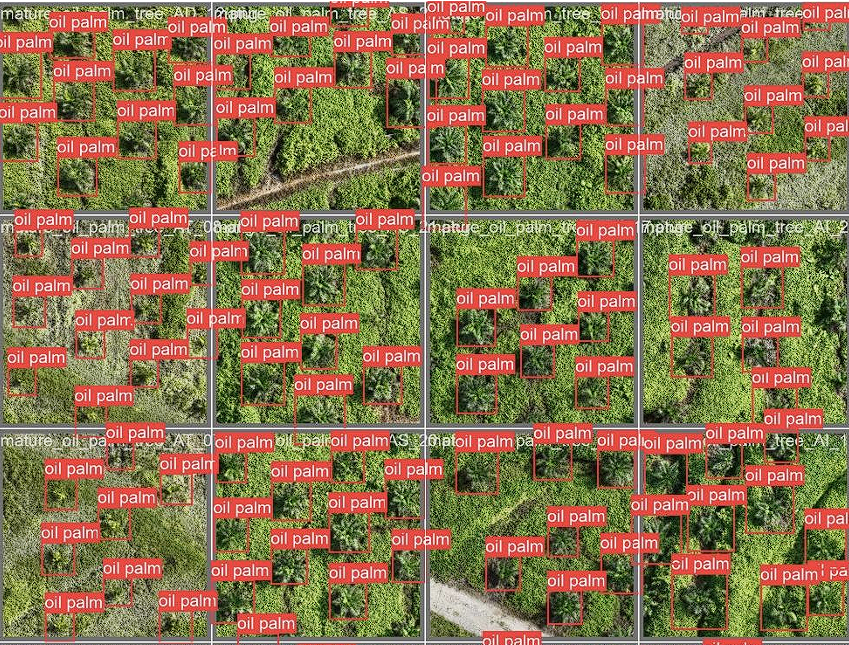
Video models fail when labels drift between frames. A bounding box that is correct at second twelve and loose at second thirteen becomes noise. This project needed continuous footage turned into training data that stayed consistent across time.
The problem
The source material was long, multi-scene video. Objects entered, left, overlapped, and changed scale. Generic clip-level labels were too coarse. Frame-by-frame work without a shared temporal rule created disagreement between annotators and broke model training.
The approach
- Define the objects, states, and occlusion rules before labeling begins.
- Segment the video into reviewable temporal units instead of treating every frame as an isolated task.
- Keep interpolation, keyframes, and manual correction in one workflow so reviewers can see change over time.
- Run a second pass on disagreement, scene cuts, and fast motion.
What changed
The output was a frame-level dataset with stable object IDs, clearer occlusion handling, and a documented acceptance standard. Quality review could point to a timestamp instead of a vague note on a whole clip. That made the data usable for training and for later evaluation.
Why it matters
Video annotation is not a volume problem first. It is a consistency problem. When temporal rules, expert review, and quality checks sit in one process, the dataset remains useful after the first training run.